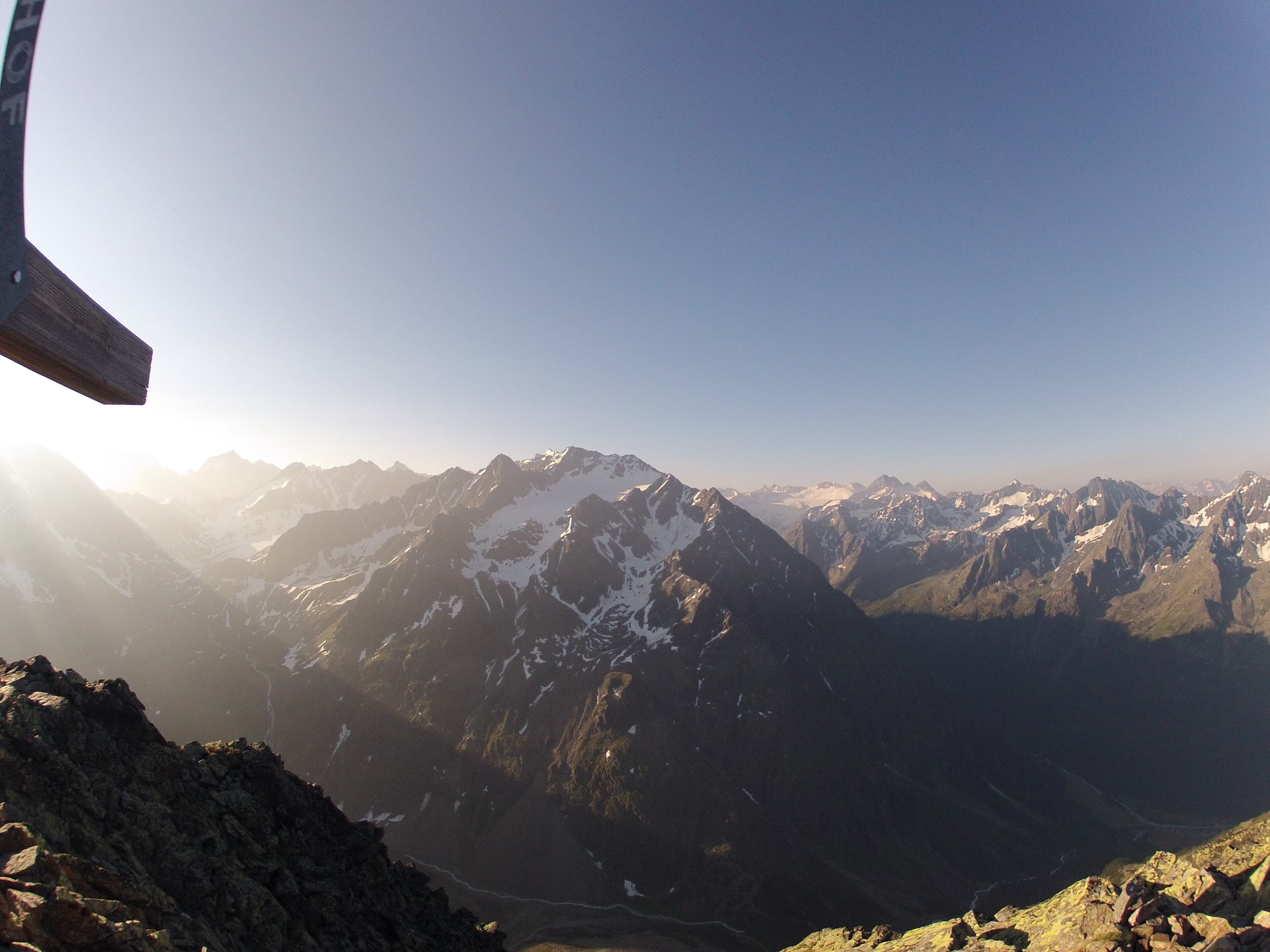
Do not date a girl who travels

Do Not Date A Girl Who Travels

„She’s the one with the messy unkempt hair colored by the sun. Her skin is now far from fair like it once was. Not even sun kissed. It’s burnt with multiple tan lines, wounds and bites here and there. But for every flaw on her skin, she has an interesting story to tell.

Don’t date a girl who travels. She is hard to please. The usual dinner-movie date at the mall will suck the life out of her. Her soul craves for new experiences and adventures. She will be unimpressed with your new car and your expensive watch. She would rather climb a rock or jump out of an airplane than hear you brag about it.

Don’t date a girl who travels because she will bug you to book a flight every time there’s an airline seat sale. She wont party at Republiq. And she will never pay over $100 for Avicii because she knows that one weekend of clubbing is equivalent to one week somewhere far more exciting.

Chances are, she can’t hold a steady job. Or she’s probably daydreaming about quitting. She doesn’t want to keep working her ass off for someone else’s dream. She has her own and is working towards it. She is a freelancer. She makes money from designing, writing, photography or something that requires creativity and imagination. Don’t waste her time complaining about your boring job.

Don’t date a girl who travels. She might have wasted her college degree and switched careers entirely. She is now a dive instructor or a yoga teacher. She’s not sure when the next paycheck is coming. But she doesn’t work like a robot all day, she goes out and takes what life has to offer and challenges you to do the same.

Don’t date a girl who travels for she has chosen a life of uncertainty. She doesn’t have a plan or a permanent address. She goes with the flow and follows her heart. She dances to the beat of her own drum. She doesn’t wear a watch. Her days are ruled by the sun and the moon. When the waves are calling, life stops and she will be oblivious to everything else for a moment. But she has learned that the most important thing in life isn’t surfing.

Don’t date a girl who travels as she tends to speak her mind. She will never try to impress your parents or friends. She knows respect, but isn’t afraid to hold a debate about global issues or social responsibility.

She will never need you. She knows how to pitch a tent and screw her own fins without your help. She cooks well and doesn’t need you to pay for her meals. She is too independent and wont care whether you travel with her or not. She will forget to check in with you when she arrives at her destination. She’s busy living in the present. She talks to strangers. She will meet many interesting, like-minded people from around the world who share her passion and dreams. She will be bored with you.

So never date a girl who travels unless you can keep up with her. And if you unintentionally fall in love with one, don’t you dare keep her. Let her go.“

gesehen bei https://medium.com/better-humans/802c49b9141c

Eine Antwort auf den Text…..

Date a girl who travels

„Here is one counter-argument (or self defense?) for the article „Don’t date a girl who travels“ (https://medium.com/better-humans/802c49b9141c) and I have to write some notes to save people who believe in this article (well, as I understood her points, but I just do not agree with it, man!

Her bare legs might have gotten bunch of mosquito bites (or bite from something even nastier), but she normally have effective mosquito repellent everywhere, but she is kind to let people use it when sun is going down slowly.  And it has probably nice smell of lemongrass and effective.  She probably does not put „proper“ make-up, or even she did in the morning, she does not bother herself going back and forth many times to ladies to keep „perfect her“ – because make-up does not cover much, and she does not completely change (or improve) by makeup.  She keep her natural big smiles with some lines and spots, and she is OK with it.  it’s her.  She just want to laugh when some thing is funny, she does not have to locate in best position to assure best angle to make her looking beautiful.  She already know the value of beauty.  Yes, she has lots of stories to tell, and more over, she knows how to enjoy life with people around her.

 Date a girl who travels. She is not as hard to please as you had imagined.  It’s not all girls who want to go to fancy dine and expensive gift when it comes to date.  When you take her Nandos, she does not blame you to be stingy, she probably tell you some funny stories she had when she was in Portugal.  For her, going to walk in the park can be a bit fun, and for you, you have a great company who knows how to enjoy the moment without spending too much money.  Yes, she will not be impressed or interested with/in your new car and expensive watch, but she will be all ears to your good ideas and jokes.  Which do you think difficult to get? An expensive car or interesting story/funny jokes?  If you have already expensive car and have no other interesting stories, then stick to barbie girls.  It’s really not a matter what kind of car you have, or you don’t have but you just to have your own ideas which thrilled yourself, then she will be an excellent buddy.

 Date a girl who travels because she will open new door to the world you have never expected.  Not all girls want to go to shopping in Paris or fine dining in NY, she may ask you to go to place you have never heard of, or dreamed of going.  But just check the place in google, and you may find something funky coming up.  Why not.  She is not asking you to be going there alone, you have her who want to share the excitement with, and you are not asked to take whole lead of this big summer date.  You can make plan together.  She suggest, you agree, and you guys plan (you can suggest too!).  Don’t you think it is exciting?  You don’t have to do everything to please your girl.  She knows how enjoyable to do it with someone who have good heart to jump in the adventure.  She will not go for expensive clubbing, and who knows, you may find somewhere in middle of nowhere might give you far fulfilling excitement than a Friday clubbing with bling bling people.

 Date a girl who travels.  She may daydream a lot, or she may not have (at this moment) a steady job, but she does not complain what she is doing now, and she is just creating exciting life stage.  Having girl who have steady job and depressed, and a girl with no job but full of dreams – what’s your choice?  And girls who travel who eventually finds value of the world and oneself tend to get very interesting work, which may not always be super highly paid, but she will love what she is doing, and she will be in good mood. If she is a freelancer, that is even better, she can make herself available if you tell her something cool.  It’s even OK for you to complain about your boring job. For her who knows how to be creative in lives, she may be able to give you eye opening tips.  She is not in the same situation as you do, but she has good imagination and bouncy spirit, and especially if you are a nice guy, she will help you.

 Date a girl who travels. She is very likely educated, she studied and worked hard too, and after all those experiences, she found what she really wanted to do in her life.  You may think she might have wasted her college degree and doing completely different, but she does not have to be teacher after she graduated from teachers‘ college.   She might get another interesting job to inspire people, maybe yoga instructor or dive instructor, but it still makes people happy.  She might not become lawyer, but she present good idea to inspire people, or support community.  We all do what we wanted to do, cut off something we used to enjoy, and someone get what we really wanted in the end, some don’t.  Well, some people just gave up half way because of age, social pressure, or „that’s the way it is supposed to be“ – it’s still OK, she is just different, and she is happy.  She  does not work like a robot, but I tell ya, she can if she is doing something that she is committed.  A girl who travel a lot has very good physical and spiritual strength, and vision.

 Date a girl who travels.  She has chosen a life of uncertainty.  Wait a min, no life has certainty.  Even if you have job in government, or bank or highly paid trading company.  Even if you have two daughters and healthy body, who said your life is assured? We all know what we have might not last forever.  Life has no certainty.  You are just trying to make it certain.  If you are the one who loves scheduled life and want to make your today exactly like yesterday, yes, you do not have to change anything, but what she is trying to do is not complete opposite of life you have.  She is admitting she is still halfway between, she does not give up something right now and she just continue traveling but it means she has big potential to get a different life.  She doesn’t have a plan or a permanent address. She goes with the flow and follows her heart.  It does not mean she will be lonely, poor and depressed.  Instead she opened her wings and spirit and whole world is becoming her playground.  She does not wear watch but she will know the value of time.  She is true to sun and moon and all these seasonal changes.  Her sensitivity and appreciation brings her very stable happiness in some point of her travel.

 Date a girl who travels as she tends to speak her mind. She will never try to impress your parents or friends, but she will impress your parents or friends without even trying.  She does not have to prepare or pretend to impress people as she has been talking to many people around the world, with different back ground, opinions and have intensive time.  She can get along with many people without closing her spirit.  She knows respect, AND isn’t afraid to hold a debate about global issues or social responsibility.  Your mom and friends will like her.

 Date a girl who travel as you enjoy your time more.  She know how to pitch a tent and screw her own fins without your help, so you just prepare fire for BBQ, and prepare your fins.  When you are ready, she is ready. She cooks well and you can prepare Mojito while she is cooking.  She is independent and care whom she is traveling with.  If she asked you to join her, which means you are selected.  Not because she expect you to cover her cost or do something for her, but because she will enjoy your company and you will enjoy her company.  She probably check the place in advance or have good friends there, so you don’t have to worry about much to escort her.  She enjoys living in the present, you are lucky to be there too. She talks to strangers. She will meet many interesting, like-minded people from around the world who share her passion and dreams. You will not be bored with her.  You may want to ask her some private „me and you“ time tomorrow, and of course she can agree your idea if you are the guy who enjoy her and her friends‘ company today.

 So date a girl who travels unless what you really want is just a pretty barbie girl who do not want to travel because she wants to keep her fair skin and wears high heels, and ask you to take her to nice restaurant and give her a GUCCI bag.  A girl who travels knows the value of the people, time, moment and world, and she will carefully choose what she wants in her life.  If you have a chance to date with her, do it.  You will enjoy it and your life is getting much more intriguing.  It’s not just a matter of travel, but whole attitude toward life.  Good luck!

gesehen bei

https://www.facebook.com/notes/mio-nozoe/date-a-girl-who-travels/10151867844581487
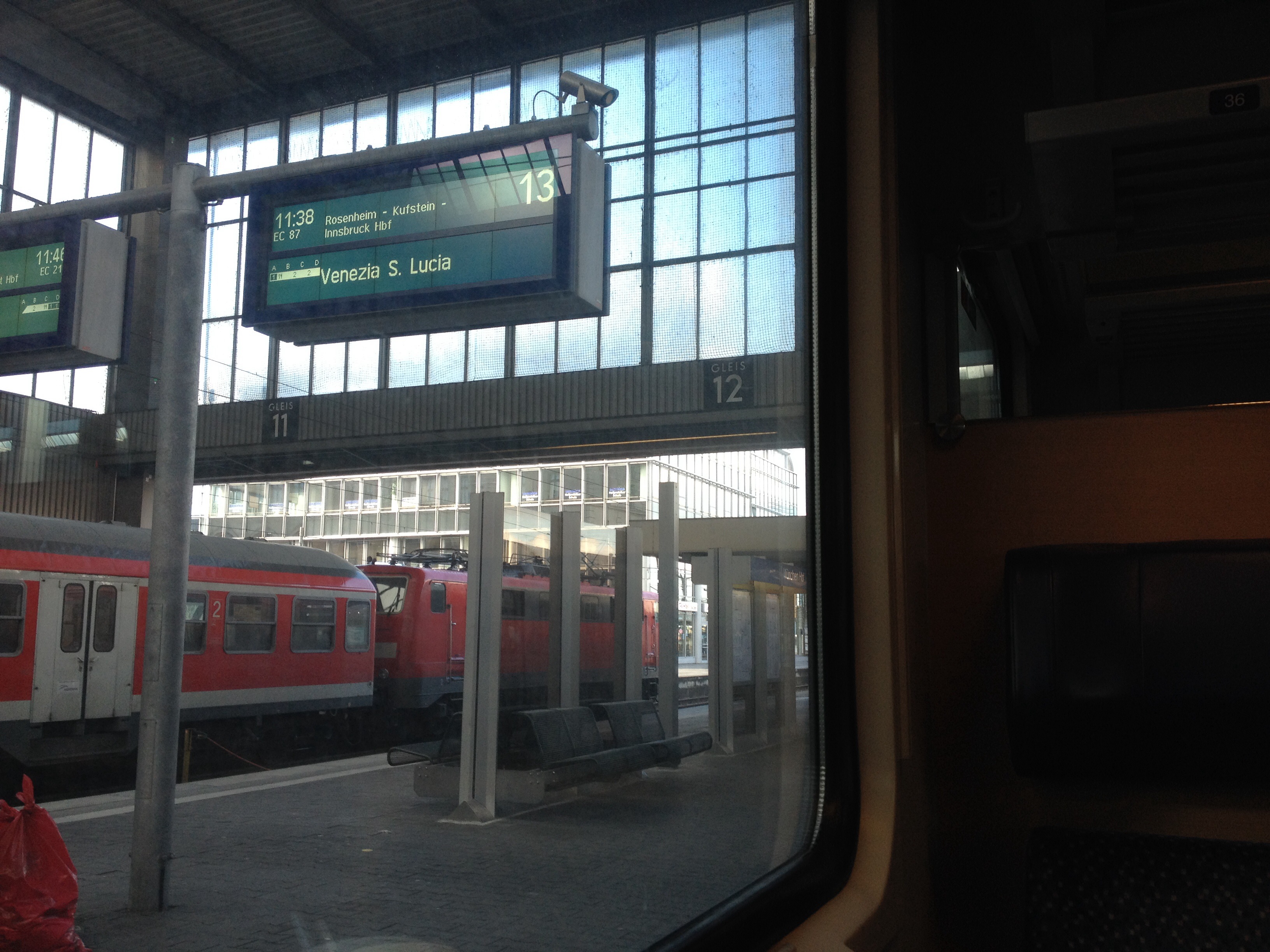
Pass Thurn 01/2014

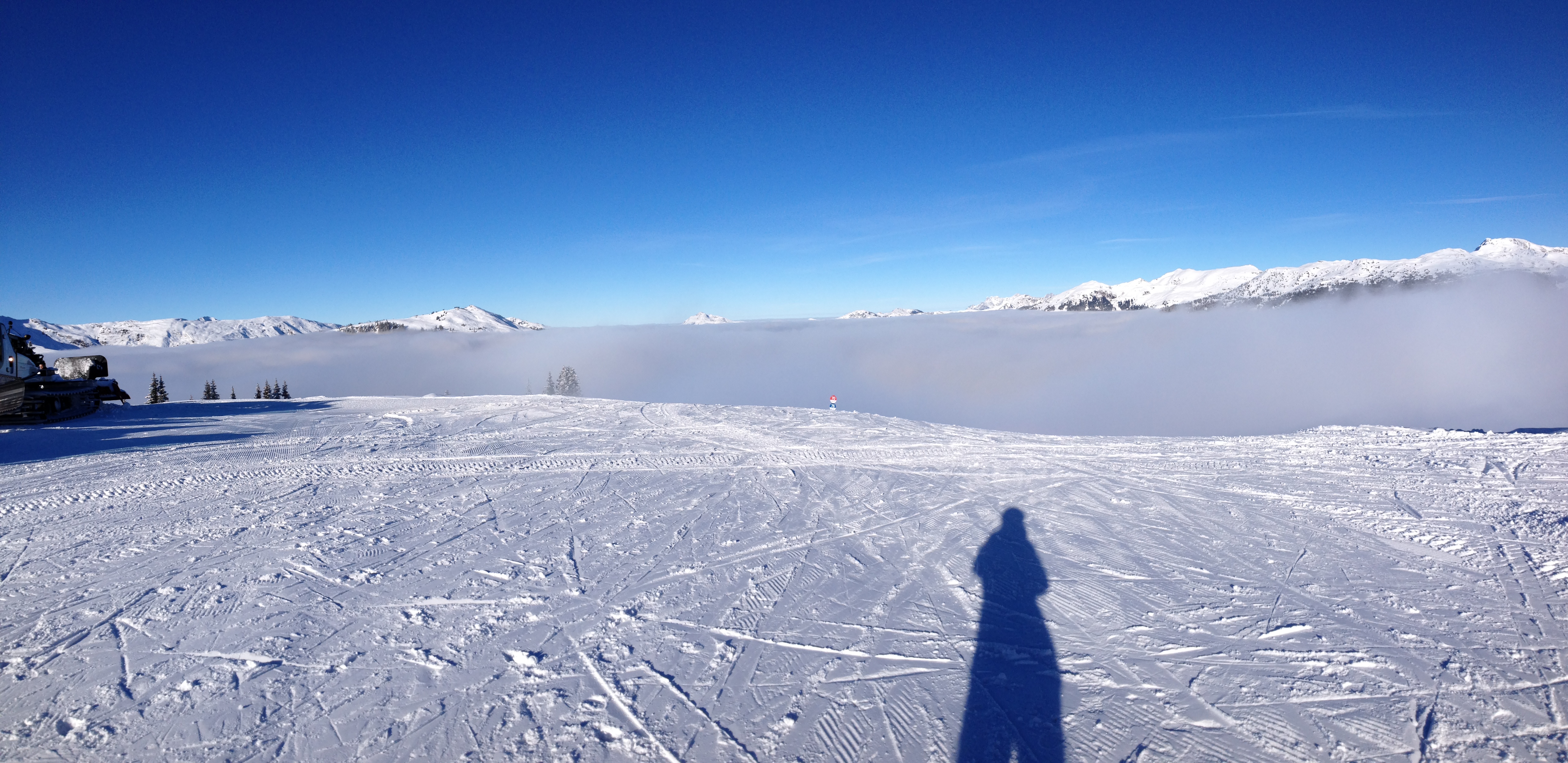
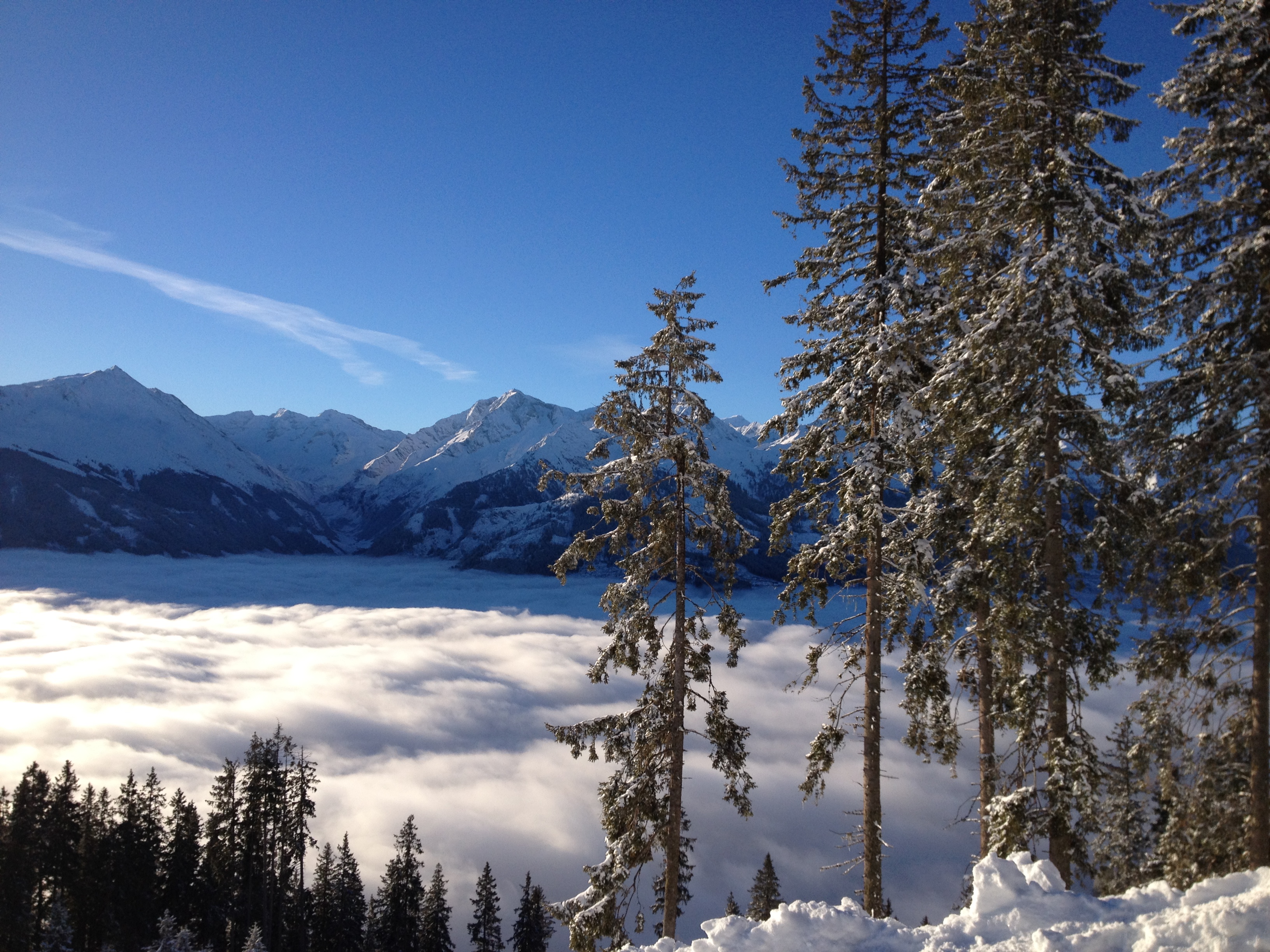
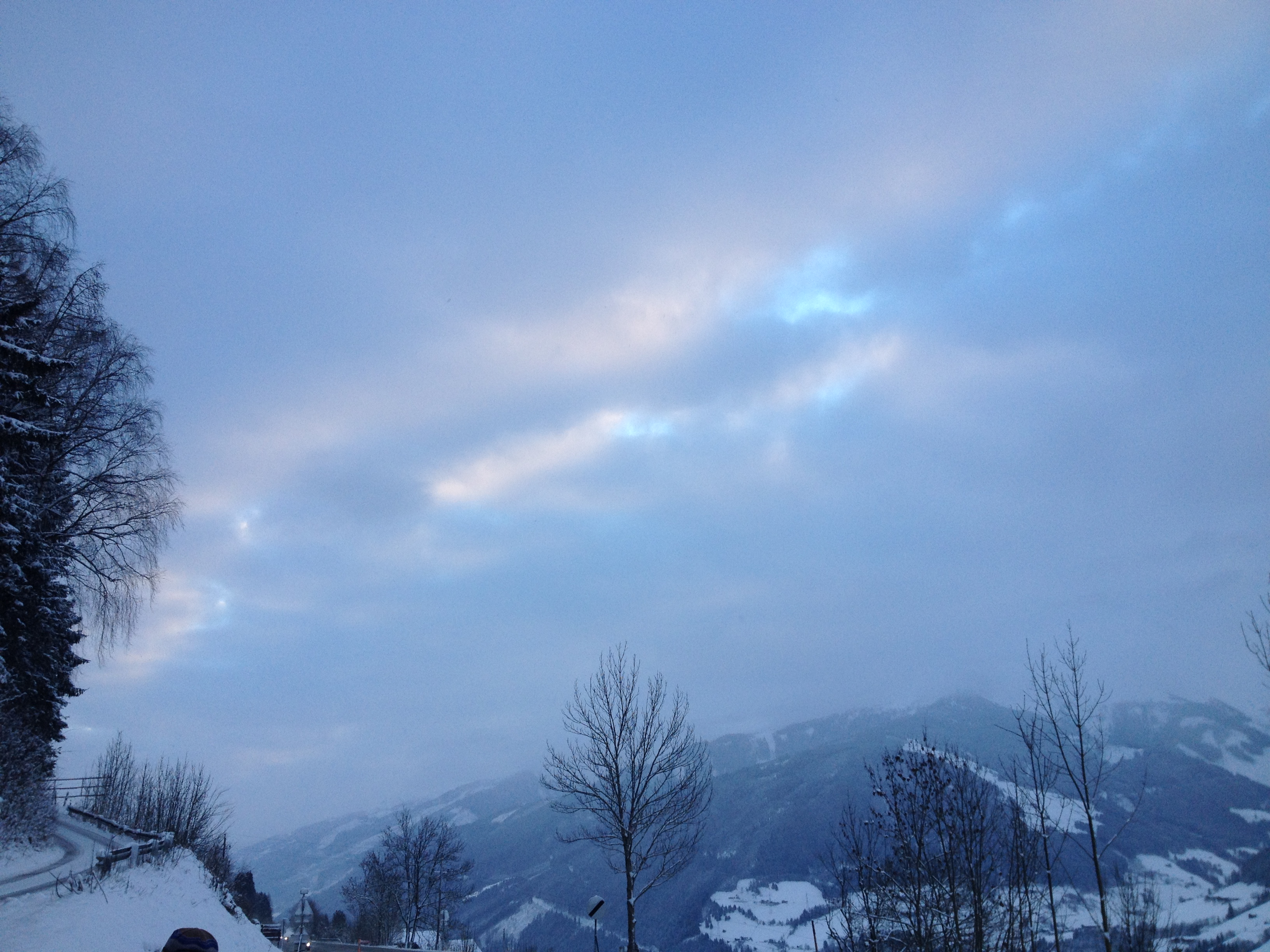
Die Harmonie von Bergdörfern. Auch wenn der Massentourismus lange Einzug gehalten hat. Sie kriegt mich jedes Mal. Wenn 40000 Besucher den Zielraum der Streif – des weltberühmten Hahnenkammrennens – bevölkern, die Straßen verstopfen und den Verkehr der Kitzregion lahmlegen, dann ist Ausnahmezustand. Auch wenn das Urteil oft schnippisch ausfällt, „alles nur high society und überteuert“ – in Kitzbühel vielleicht. Am Pass Thurn um die Ecke, um den Berg, ist alles noch etwas ruhiger. Die alte Frau Egger, die ihre Knödel in der Küche formt und das Muhen aus dem Kuhstall nebenan, eins mit dem Bauernhofgeruch der Kindheit. Das Zimmer älplerisch hell-holzvertäfelt, rot-weiß gemusterte Gardinen, die weiße Bettwäsche bis unter die Nase hochgezogen, eingekuschelt. Die klare Nachtluft, die durchs gekippte Fenster zieht, riecht nach Schnee. Mal wieder 10 Stunden schlafen und trotzdem die erste Gondel um 8.30 Uhr nehmen. Von der Streif kriegen wir kaum etwas mit, nur die mittägliche ORF Übertragung zum Kaiserschmarrn. Und die Pisten sind vielleicht sogar leerer als gewöhnlich am Wochenende. Wir fahren lieber selbst. Rückblick.

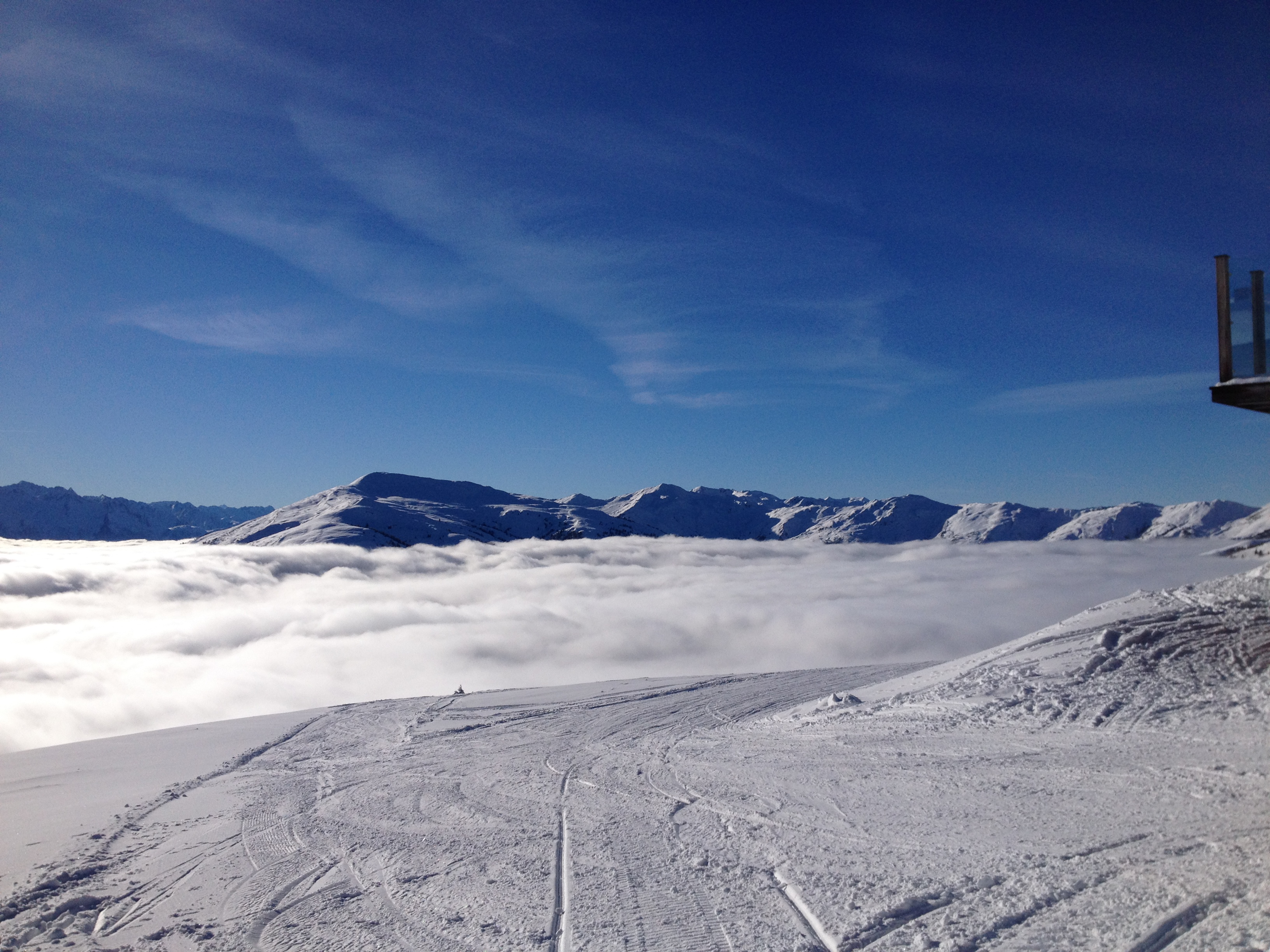
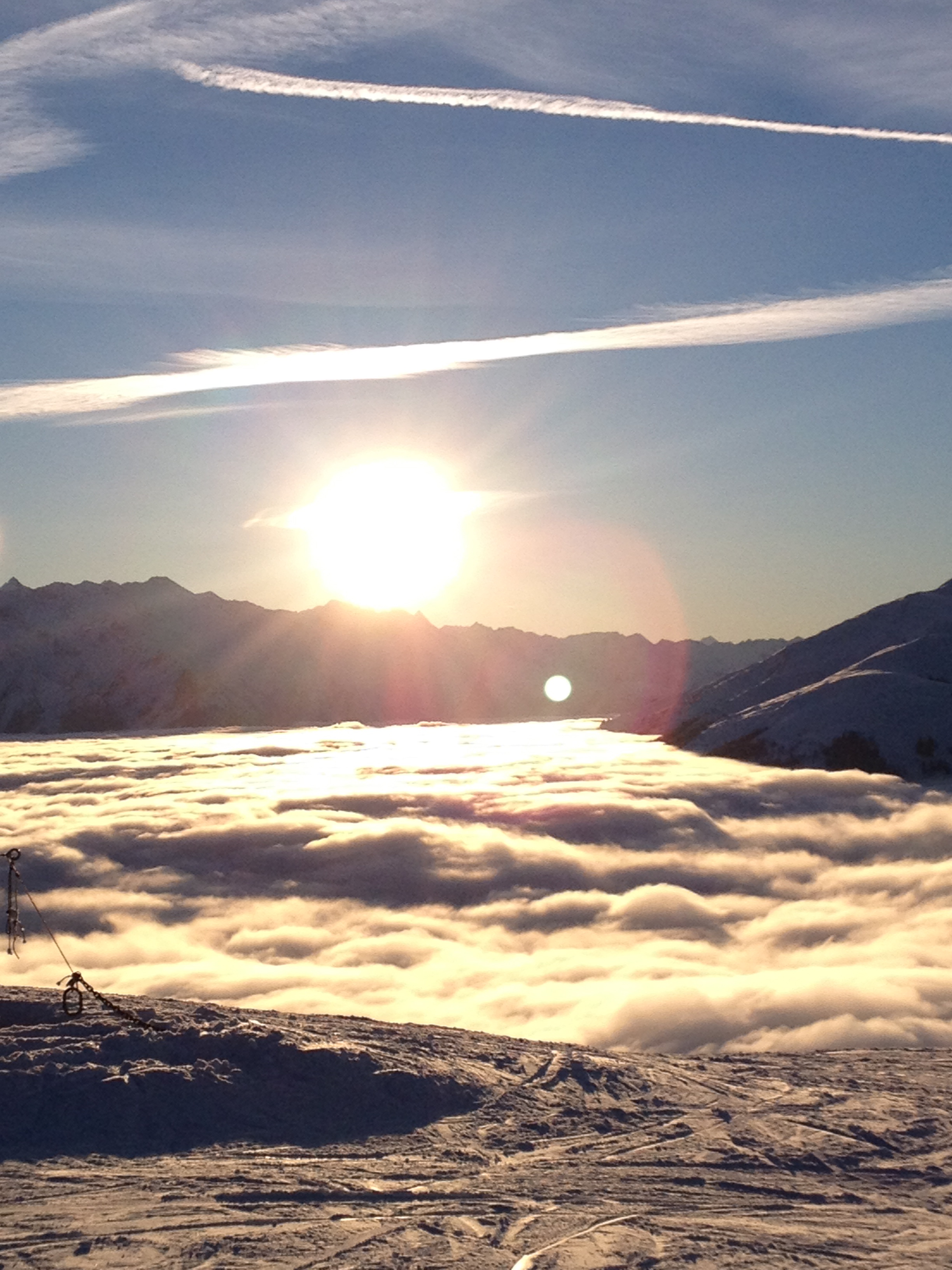
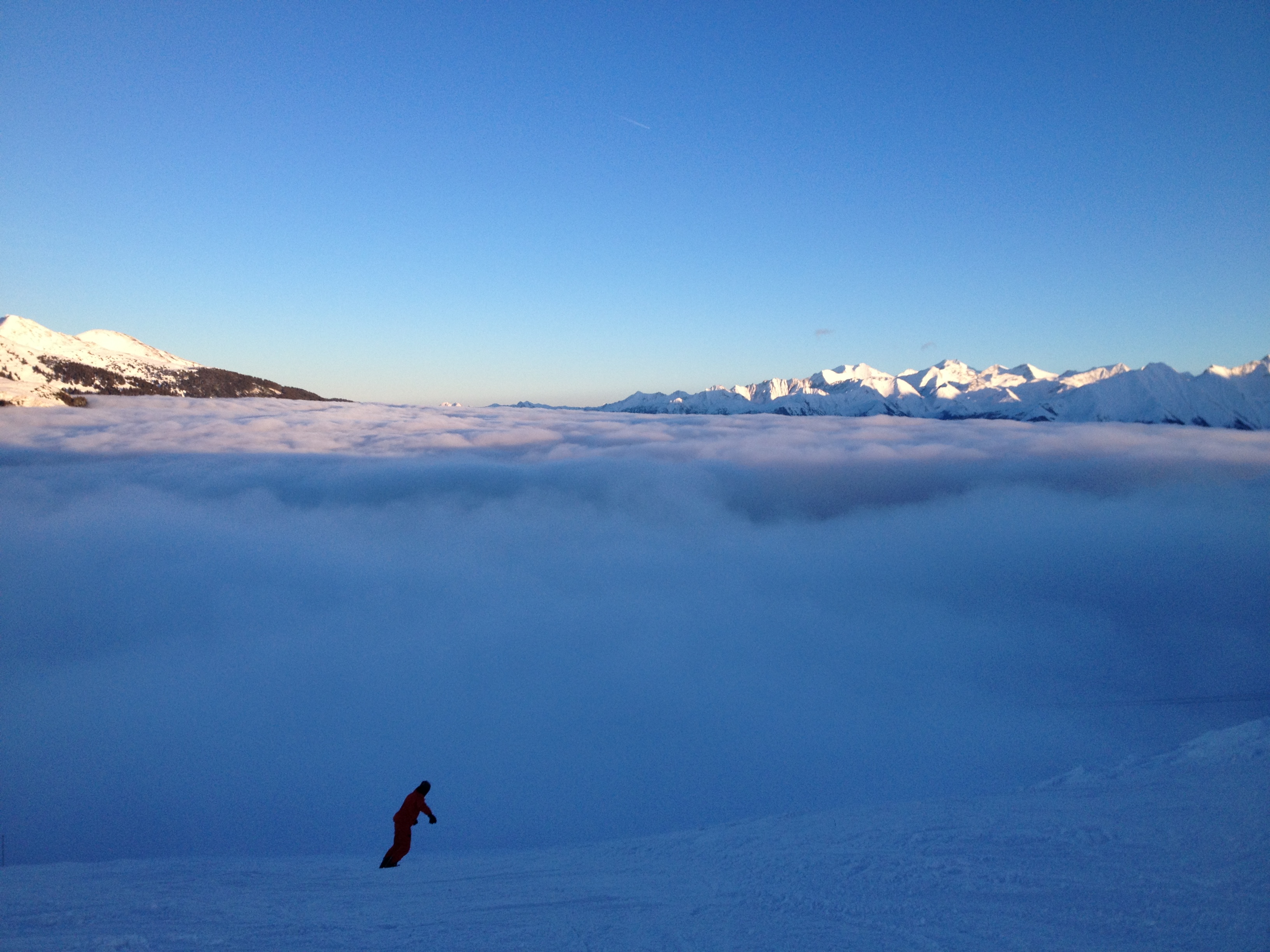
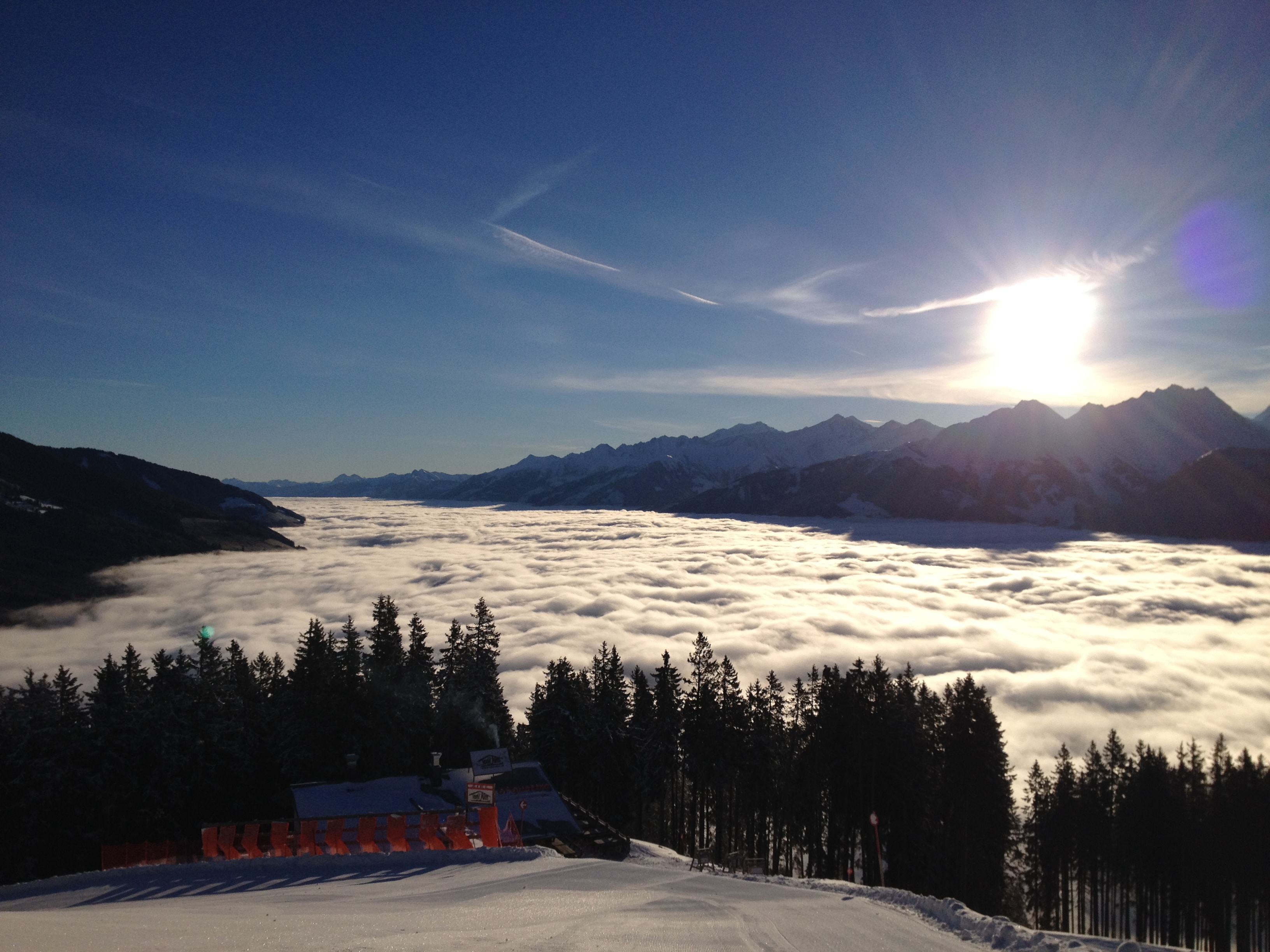
Mittwoch: 4:53 Uhr Hamburg Hbf in den Zug, aus dem Zug in Kitzbühel, Mitfahrgelegenheit im nächsten BMW xdrive Model mit Bert aus Köln, am Resterhöhesessel sofort aufs Board. Zwei Stunden Resttag mitnehmen. Sonnenuntergang und Nebelmeer über dem Tal. Gleich ins Märchen versunken.

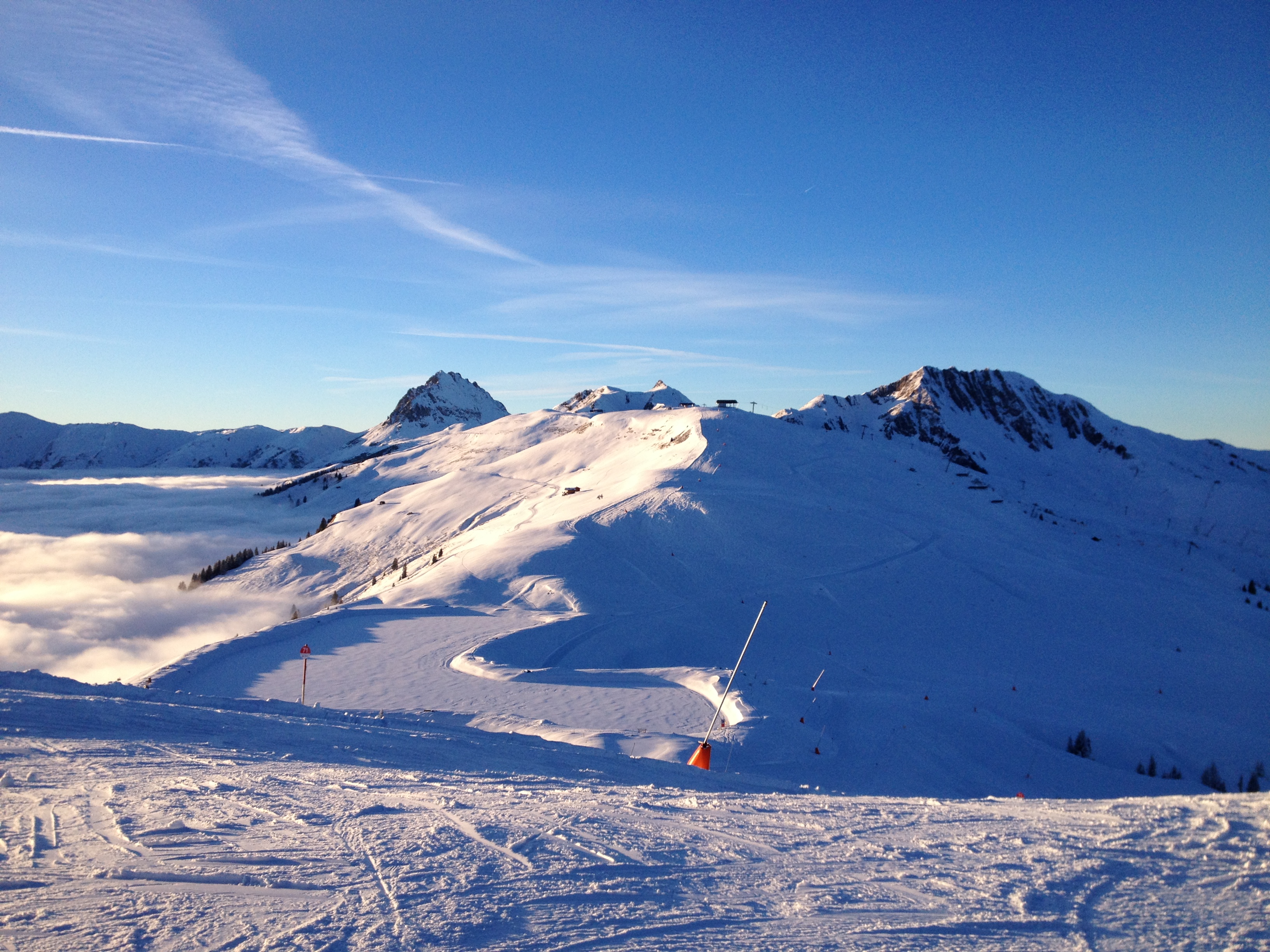
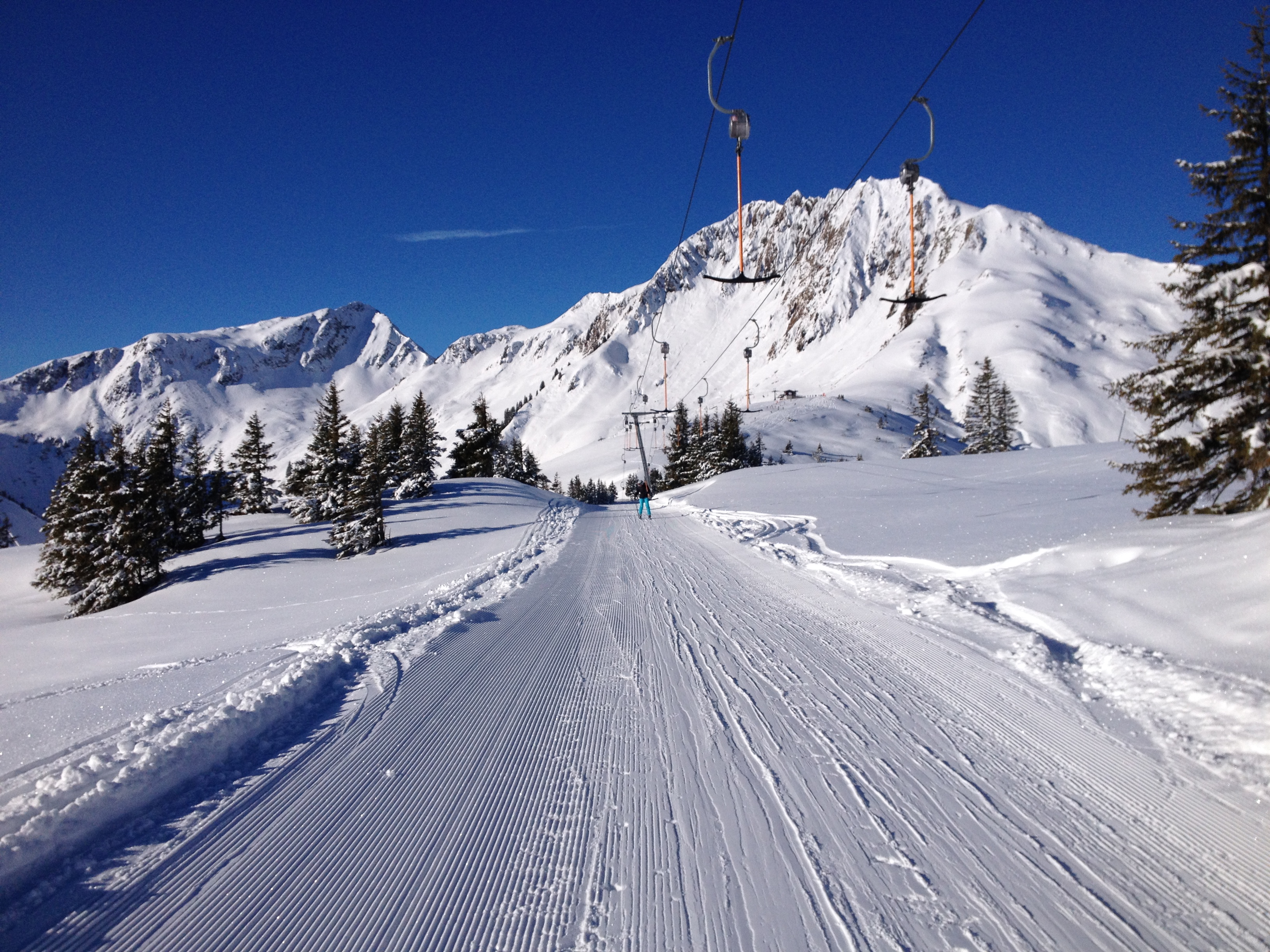
Donnerstag: Nur Sonne und Blick und traumhaftes Panorama. Ausflippen nach jeder Piste vor Glück, betrunken an frischer Luft und tanzender Lebensgeist. Von früh bis spät Oberschenkel zum Brennen bringen und immer noch nicht genug haben. Vor dem Abendessen kurzer Berglauf mit Stirnlampe, Dunkelheit macht Steigung weniger schlimm. Danach tut alles doppelt so weh, aber das Leben wirkt dreimal so intensiv, viermal so schön und unendlich lebenswert. Right here, right place, right now.

Freitag: Schnee Schnee Schnee, endlich mehr Schnee. Frischer Puder über Nacht. Kaum Sicht, dafür eine wattewolkensiebterhimmel Neuschneeauflage auf präparierter Piste. Mindestens 20 cm, wenn nicht 30. Wir fliegen über die unberührte Piste, wie Abseitsfahren und manchmal auch das, gleiten butterweich, ziehen lautlose Lines und juchzen lauthals begeistert. Kein Schliddern, kein Rutschen heute. Nur sanfte rythmische Schwünge. Ab und zu mal den Schneemann miemen, aber wir fallen weich wie Schneeengel.

Samstag: Das Winterwunderland hält an. Die Sicht ist besser geworden, die Temperaturen sind gefallen. Heute mal wieder zwei Bretter statt einem. Da muss man den Rythmus erstmal wieder suchen.  Sieben Jahre Skiabstinenz ist nicht mal eben so wegzustecken. Alles flattert unkontrolliert, ein paar mal öfter Schneemann spielen. Aber nach ein, zwei Stunden findet sich das Gefühl, werden die Schwünge geschmeidiger. Hat auch was, meine Neugier für vier Kanten ist zurück. Aber das Board werden die Ski erstmal nicht mehr ersetzen können.

Es gibt sie noch, die Einheimischen. Die Bodenständigen. Der alte Mann aus Mittersill mit seinen Langlaufskien, der unprätentiösen markenlose Kleidung, in einer Skifabrik hat er gearbeitet. Obwohl er nie Ski gefahren ist, außer Langlauf eben. Wir warten und frieren gemeinsam, weil der Skibus nicht kommt. „Deppertes Skirennen“ murmelt er immer wieder. Nie wieder wird er am Hahnenkammwochenende Langlaufen gehen. Als ich erzähle, dass ich abends noch nach München muss, grummelt er zunehmens lauter. „Geht sich Ihnen das noch aus?“ fragt er besorgt, als der gelbe Postbus mit 40 min Verspätung vor uns schneeschlammspritzend zum Stehen kommt. Inzwischen schneit es nicht mehr ganz so heftig, die Sonne blitzt vor ihrem Untergang nochmal durch die dicken grauen Winterwolken. Ich bin die Ruhe selbst, weil ich doch alles andere als hier weg will.

Dann doch Abfahrt. Der Abstieg beginnt im Skibus gen Kitzbühel Bahnhof. Alle besoffen wegen des Rennens. Am Bahnhof noch schlimmer. Späte Ankunft in München. Sofort erschöpfter Schlaf. Früh weiter, ICE nach Bonn. Krasser Bruch – gefühlt eben noch durch hügelige Schneelandschaft, gestern Abend mit dem Zug durch die Nacht, goldenes Licht vereinzelt aus Hütten und Häusern an den Hängen. Heute nichts als Industrie, wie in einen bösen Traum erwacht, mich zwischen den Frankfurter Glastürmen und Raffinerie Fabrikgebäuden wiedergefunden. Ein einziger Gedanke: Ich will zurück.

IMG_3252 IMG_3255 IMG_3259 IMG_3262 IMG_3264 IMG_3267 IMG_3271 IMG_3272 IMG_3273 IMG_3276 IMG_3280 IMG_3284 IMG_3287 IMG_3289 IMG_3294 IMG_3301

The Joy Of Solitude

Why do we have such a problem with being alone?

Personal freedom has never been more celebrated, yet we are terrified of being alone, and regard those who choose to be so with suspicion. Sara Maitland on the joy of solitude.

DCIM100GOPRO

I live alone. I have lived alone for more than 20 years now. I do not just mean that I am single – I live in what might seem to many people to be „isolation“ rather than simply „solitude“. My home is in a region of Scotland with one of the lowest population densities in Europe, and I live in one of the emptiest parts of it: the average population density of the UK is 674 people per sq mile (246 per sq km). In my valley, we have (on average) more than three sq miles each. The nearest shop is 10 miles away, and the nearest supermarket more than 20. There is no mobile-phone connection and very little through-traffic uses the single-track road that runs a quarter of a mile below my house. On occasion, I do not see another person all day. I love it.

But there is a problem, a serious cultural problem, about solitude. Being alone in our present society raises an important question about identity and wellbeing. In the first place, and rather urgently, the question needs to be asked. And then – possibly, tentatively, over a longer period of time – we need to try to answer it.

The question itself is a little slippery but it looks something like this: how have we arrived, in the relatively prosperous developed world at least, at a cultural moment that values autonomy, personal freedom, fulfilment and human rights, and, above all, individualism, more highly than ever before, while at the same time those who are autonomous, free and self-fulfilling are terrified of being alone with themselves?

We apparently believe that we own our bodies and should be allowed to do with them more or less anything we choose, from euthanasia to a boob job, but we do not want to be on our own with these precious possessions. We live in a society that sees high self-esteem as a proof of wellbeing, but we do not want to be intimate with this admirable and desirable person.

We see moral and social conventions as inhibitions on our personal freedoms, and yet we are frightened of anyone who goes away from the crowd and develops „eccentric“ habits.

We believe that everyone has a singular personal „voice“ and is, moreover, unquestionably creative, but we treat with dark suspicion anyone who uses one of the most clearly established methods of developing that creativity – solitude. We think we are unique, special and deserving of happiness, but we are terrified of being alone.

We declare that personal freedom and autonomy is both a right and good, but we think anyone who exercises that freedom autonomously is „sad, mad or bad“. Or all three at once.

„In 1980, US census figures showed that 6% of men over 40 never married,“ wrote Vicky Ward in the London Evening Standard in 2008, „now 16% are in that position … ‚male spinsters‘ – a moniker that implies, at best, that these men have ‚issues‘ and, at worst, that they are sociopaths.

„One fears for these men, just as society has traditionally feared for the single woman. They cannot see how lonely they will be. But in time to ease my anxiety, a British friend came through town … ‚I want to get married,‘ he said. Finally. A worthwhile man.“

In the middle ages, the word „spinster“ was a compliment. A spinster was someone, usually a woman, who could spin well; a woman who could spin well was financially self-sufficient – it was one of the very few ways that medieval women could achieve economic independence. The word was generously applied to all women at the point of marriage as a way of saying they came into the relationship freely; from personal choice not financial desperation. Now it is an insult, because we fear „for“ such women – and now men as well.

Being single, being alone – together with smoking – is one of the few things that complete strangers feel free to comment on rudely: it is so dreadful a state (and probably, like smoking, your own fault) that the normal social requirements of manners and tolerance are superseded.

Usually, we are delicate, even overdelicate, about mentioning things that we think are sad. We do not allow ourselves to comment at all on many sad events. We go to great lengths to avoid talking about death, childlessness, deformity and terminal illness. It would not be acceptable to ask someone at a dinner party why they were disabled or scarred. It is conceivable, I suppose, that a person happy in her relationship thinks anyone who is alone must be suffering tragically. But it is more complicated than that: Ward’s tone is not simply compassionate. Her „fears for these men“ might at first glance seem caring and kind, but she disassociates herself from her own concern: she does not fear herself, „one fears for them“. Her superficial sympathy quickly slips into judgment: a „worthwhile“ man will be looking for marriage; if someone is not, then they have mental-health „issues“ and are very possibly „sociopaths“.

Could it be that she is frightened? In her article she comments that, in New York, where she is based, there is a greater number of single women than single men, so if she feels that a committed partner is necessary to a woman’s sense of wellbeing then she might well feel threatened by men who want something different.

My mother was widowed shortly after she turned 60. She lived alone for the remaining 25 years of her life. I do not think she was ever reconciled to her single status. She was much loved by a great many, often rather unexpected, people. But I think she felt profoundly lonely after my father died, and she could not bear the fact that I was enjoying solitude. I had abandoned marriage, in her view, and was now happy as a pig in clover. It appalled her – and she launched a part-time but sustained attack on my moral status: I was selfish. It was „selfish“ to live on my own and enjoy it.

Interestingly, this is a very old charge. In the fourth century AD, when enthusiastic young Christians were leaving Alexandria in droves to become hermits in the Egyptian desert, their bishop, Basil, infuriated, demanded of one of them: „And whose feet will you wash in the desert?“ The implication was that in seeking their own salvation outside the community, they were neither spreading the faith nor ministering to the poor; they were being selfish. This is a theme that has cropped up repeatedly ever since, particularly in the 18th century, but it has a new edge in contemporary society, because we do not have the same high ethic of „civil“ or public duty. We are supposed now to seek our own fulfilment, to act on our feelings, to achieve authenticity and personal happiness – but, mysteriously, not to do it on our own.

Today, more than ever, the charge carries both moral judgment and weak logic. I write a monthly column for the Tablet (a Catholic weekly magazine) partly about living on my own. One month I wrote about the way a conflict of duties can arise: how „charitable“ is the would-be hermit meant to be about the needs and demands of her friends? One might anticipate that a broadly Catholic readership would be more sympathetic to the solitary life because it has such a long (and respected) tradition behind it. But I got some poisonous letters, including one from someone who had never met me, but who nonetheless felt free to send a long vitriolic note that said, among other things: „Given that you are obviously a person without natural affections and a grudging attitude towards others, it is probably good for the rest of us that you should withdraw into your own egocentric and selfish little world; but you should at least be honest about it.“

And yet it is not clear why it is so morally reprehensible to choose to live alone. It is hard to pin down exactly what people mean by the various charges they make, probably because they do not know themselves. For example, the „sad“ charge is irrefutable – not because it is true but because it is always based on the assumption that the person announcing that you are, in fact, deeply unhappy has some insider knowledge of your emotional state greater than your own. If you say, „Well, no actually; I am very happy“, the denial is held to prove the case. Recently, someone trying to console me in my misery said, when I assured them I was in fact happy: „You may think you are.“ But happiness is a feeling. I do not think it – I feel it. I may, of course, be living in a fool’s paradise and the whole edifice of joy and contentment is going to crash around my ears sometime soon, but at the moment I am either lying or reporting the truth.

The charges of being mad or bad have more arguability. But the first thing to establish is how much solitude the critics of the practice consider „too much“. At what point do we feel that someone is developing into a dangerous lunatic or a wicked sinner? Because clearly there is a difference between someone who prefers to bath alone and someone who goes off to live on an uninhabited island that can only be reached during the spring tides; between someone who tells a friend on the telephone that they think they’ll give tonight’s group get-together a miss because they fancy an evening to themselves, and someone who cancels all social engagements for the next four months in order to stay in alone. If you are writing great books or accomplishing notable feats, we are more likely to admire than criticise your „bravery“ and „commitment“. Most of us did not find Ellen MacArthur sad, mad or bad when she broke the single-handed sailing circumnavigation record in 2005, even though it meant being entirely alone for 71 days, 14 hours, 18 minutes and 33 seconds.

There are no statistics for this, but my impression is that we do not mind anyone being alone for one-off occasions – particularly if they are demonstrably sociable the rest of the time – or for a distinct and interesting purpose; what seems to bother us are those individuals who make solitude a significant part of their life and their ideal of happiness.

It is all relative anyway. I live a solitary life, but Neil the postman comes most days. The cheerful young farmer who works the sheep on my hill roars by on his quad bike at least three or four days a week, passing with a cheerful wave. I have a phone; I go to church every Sunday. I have friends and children, and sometimes they even come to visit me. Small rural communities are inevitably, oddly, social – I know the names and something of the circumstances of every single person who lives within five miles of me. (There is nothing in the world more sociable than a single-track road with passing places.) And even if I lived in deeper solitude I would live with a web of social dependencies: I read books that are written by people; I buy food that is produced by people and sold to me by people; I flick on the light switch and a constantly maintained grid delivers electricity and my lights come on.

So it is useful to ask oneself how much solitude it takes to tip over into supposed madness or badness; it is certainly useful to ask those who are being critical of anyone who seems to enjoy more aloneness than they themselves feel comfortable with.

In his book Solitude, Philip Koch attempts to break down the accusations into something resembling logical and coherent arguments, so as to challenge them: he suggests that the critics of silence find the desire for it „mad“ (or tending towards madness) for various reasons.

Solitude is unnatural. Homo sapiens is genetically and evolutionarily a herd or pack animal. We all have a basic biosocial drive, according to Paul Hamlos in Solitude and Privacy: „sharing experience, close contiguity of comradeship and face-to-face co-operative effort have always been a fundamental and vital need of man (sic) … the individual of a gregarious species can never be truly independent and self-sufficient … Natural selection has ensured that as an individual he must have an abiding sense of incompleteness.“ People who do not share this „force of phylic cohesion“ are obviously either deviant or ill.

Solitude is pathological. Psychology, psychiatry and particularly psychoanalysis are all insistent that personal relationships, ideally both intimate and sexually fulfilled, are necessary to health and happiness. Freud originated this idea and it has been consistently maintained and developed by attachment theorists (such as John Bowlby) and particularly object-relation theorists (such as Melanie Klein) – and is generally held and taught throughout the discipline. (This may also underpin the idea that you are not „really“ happy on your own. Since you need other people to be mentally well, then thinking you are happy alone is necessarily deluded.)

Solitude is dangerous (so enjoying it is masochistic). It is physically dangerous because if you have even a minor accident there will be no one to rescue you, and it is psychically dangerous because you have no ordinary reality checks; no one will notice the early warning signs.

These three arguments are based on assumptions that – were they correct for all people at all times – would indeed need to be answered. I personally think (and I’m not alone) that they are not correct in themselves and do not allow for individual difference.

The „moral“ arguments, however, at least as Koch defines them, are rather more absurd. This second group of objections to solitude tend to be exactly the opposite of the first group.

Solitude is self-indulgent. The implication here is that it is hedonistic and egotistical – that somehow life alone is automatically happier, easier, more fun and less nitty-gritty than serious social engagement, and that everyone in the pub is exercising, comparatively at least, noble self-discipline and fortitude, and spending hours a day in the unselfish miserable labour of serving their neighbours‘ needs.

Solitude is escapist. People who like being alone are running away from „reality“, refusing to make the effort to „commit“ to real life and live instead in a half-dream fantasy world. They should „man up“, get real, get a grip. But if social life is so natural, healthy and joyous as contemporary society insists, why would anyone be „escaping“ from it?

Solitude is antisocial. Well, of course it is – that’s the point. This argument is tautological. But „antisocial“ is a term that carries implicit rather than explicit moral condemnation; it is clearly a „bad thing“ without it being at all clear what it might mean. All this actually says is „solitude is preferring to be alone rather than with others/me [the speaker] and I am hurt“. It is true, but is based on the assumption that being alone is self-evidently a bad thing, and being social is equally self-evidently a good thing.

Solitude evades social responsibility. This implies that all of us have something called a „social responsibility“, without defining what that might be or consist of, but whatever it is, for some unexpressed reason it cannot be done by a person who is – for however much of their time – alone.

Now, clearly, even here, there are some interesting discussions to be had. What exactly do personal relationships provide that nothing else can offer? Could, for example, Anthony Storr be right about creative work offering compensatory alternative or even better gratification? Or a sense of meaningfulness? Could some people’s peaceful, happy solitude function as an antidote, or even a balance, to the frenetic social activity of others? What, exactly, is our social responsibility in a society in which most people feel powerless? How does multiculturalism work in terms of individuals as opposed to groups? Why do other people’s claims to be happy in a different way from oneself provoke so much anxiety – and why is that anxiety so commonly expressed as judgment and condemnation, rather than genuine concern? How does a society choose which issues it allows itself to be judgmental about, if it has no clear idea of the ultimate good? And, above all, why are these conversations not happening? I believe it is because of fear. Fear paralyses creativity, stultifies the imagination, reduces problem-solving ability, damages health, depletes energy, saps intelligence and destroys hope. And, also, it does not feel good.

Fear muddles things up; it is difficult to think clearly when you are scared. When we are frightened, we tend to project this on to other people, often as anger: anyone who seems different starts to feel threatening. And one problem with this is that these projections „stick“. If you tell people enough times that they are unhappy, incomplete, possibly insane and definitely selfish, there is bound to come a cold, grey morning when they wake up with the beginning of a nasty cold and wonder if they are lonely rather than simply „alone“. There is a contemporary phenomenon which adds to the problem: the mass media make money out of fear.

You may have noticed that the UK experiences waves of grim killer diseases – even though, proportionately, very few people actually get these illnesses. A successful „media illness“ has to meet quite particular criteria – among other things, it has to have a very complex official name and a very vivid popular one: bovine spongiform encephalopathy (and its human counterpart, variant Creutzfeldt–Jakob disease) AKA mad cow disease was perfect. The illness should also be terminal but rare (CJD only occurs in one in 1 million people a year, worldwide, and the majority of these cases have no link whatsoever to contaminated beef products) so that it is most unlikely that any readers will contract it; and, if possible, it has to be caused by the greed and stupidity of someone else (the food industry and farmers in this case).

Diseases are quite easy to manipulate in order to rack up the right sort of fear – the sort that sells papers. And there are other fears to play on. At the moment, a very popular media-inspired terror is the threat of the „loner“.

Once upon a time, and not very long ago, the word „lone“ had rather heroic and adventurous connotations: the Lone Ranger was not sad, mad or bad; Texas freely and proudly adopted its nickname: the Lone Star state. But if you look up „loner“ on Wikipedia you will find this alphabetical list of related terms:

Avoidant personality disorder
Autism
Byronic hero
Dysfunctional family
Hermit
Hikikomori
Introversion
Loneliness
Lone wolf (trait)
Major depressive disorder
Misanthropy
Recluse
Schizoid personality disorder
Social phobia
Social rejection
Solitude
Tragic hero

I have put into italics the four terms that do not directly correlate with „sad, mad or bad“, although the context of the list raises questions about even them – is it OK to be „introverted“? Are hermits actually crazed? Is solitude like major depressive disorder? Are Byronic heroes lonely? But what are more interesting are the absences: adventurer, sensitive, mystic, creative genius, bereaved, castaway/Crusoe, victim of solitary confinement, wanderer.

Greta Garbo was a famous loner, though, in fact, she never said „I want to be alone“ (the Russian ballerina Grusinskaya, whom Garbo played in Grand Hotel, said it). She was a very great actor: the film historian David Denby wrote in 2012 that Garbo introduced a subtlety of expression to the art of silent acting, and that its effect on audiences cannot be exaggerated. „Worlds turned on her movements.“ She was sufficiently successful to retire at 35 after making 28 films. Near the end of her life – and she lived to be 85 – she told Sven Broman, her Swedish biographer (with whom she was co-operating), that she „was tired of Hollywood. I did not like my work. There were many days when I had to force myself to go to the studio … I really wanted to live another life.“ So she did. In retirement she adopted a lifestyle of simplicity and leisure, sometimes just „drifting“. But she always had close friends with whom she socialised and travelled. She did not marry but did have serious love affairs with both men  and women. She collected art. She walked, alone and with companions, especially in New York. She was a skilful paparazzi-avoider. Since she chose to retire, and for the rest of her life consistently declined opportunities to make further films, it is reasonable to suppose that she was content with that choice.

It is evident that a great many people, for many different reasons, throughout history and across cultures, have sought out solitude to the extent that Garbo did, and after experiencing that lifestyle for a while continue to uphold their choice, even when they have perfectly good opportunities to live more social lives. On average, they do not turn into schizoid serial killers, predatory paedophiles or evil monomaniacs. Some of them, in fact, turn into great artists, creative thinkers and saints – however, not everyone who likes to be alone is a genius, and not all geniuses like to be alone.

source: http://www.theguardian.com/books/2014/jan/11/why-society-problem-being-alone?CMP=fb_gu